The Best Washable Rugs — and the Honest Truth About Whether You Need One
Washable rugs went from a punchline to everywhere, and the marketing makes them sound perfect. They're not — but they're genuinely great for the right room. Here's when a designer actually reaches for one, when to skip it, and the specific rugs worth buying.
Some links below are affiliate links — if you buy through them, finial may earn a small commission, at no extra cost to you. We only point to rugs we'd actually put down.
You've got kids, or a dog, or a toddler who treats the living room rug like a canvas, and the internet keeps showing you a rug you can supposedly just throw in the washing machine. It sounds too good to be true, which is exactly why you're here: is a washable rug a genuinely smart buy, or a cheap-looking trap you'll regret?
Short version: both, depending on what you buy and where you put it. I use washable rugs in my own work and recommend them all the time — but selectively, like a tool for a specific job, not a blanket replacement for a real rug. Here's the honest version the product listings won't give you: what they're actually great at, where they fall down, and how to buy one that doesn't look like it came out of a vending machine.
Do designers actually recommend washable rugs?
Yes — with an asterisk. The category grew up. A few years ago, washable rugs were thin, printed, playroom-looking things, and most designers wouldn't touch them. That's genuinely changed: the better brands now make faded vintage-Persian looks, textured naturals, and handsome patterns, and you'll find plenty of designers — and big designer collaborations — all over them now.
But "designers use them" is not the same as "buy a washable rug for everything." The honest professional take is more specific: a washable rug is the right answer in rooms where mess and traffic are the whole problem and plushness isn't the point — and the wrong answer when you want the deep, soft, characterful rug that makes a living room feel finished. The skill is knowing which room you're in. So let's get specific about the real trade-offs.
The real benefits (why I reach for them)
You can actually clean them — completely. This is the whole game, and it isn't hype. With a traditional rug, a pet accident or a spilled juice box soaks into the rug and the pad underneath and lives there forever. A washable rug you can fully sanitize — toss it in, and the stain and the smell are gone. In a house with pets or small kids, that's not a convenience, it's the difference between keeping a rug and dragging it to the curb.
Low pile is a feature in the right room. Because they're thin, washable rugs don't snag claws, don't trap crumbs, and don't catch the door or the dining chairs as they scoot. Under a kitchen counter, in an entryway, beneath a dining table — thin is exactly what you want.
They stay put. Most washable systems pair the rug with a grippy pad, so in the exact spots where rugs usually creep and wrinkle — kitchens, entries, hallways — they actually behave better than a standard rug-and-pad setup.
They've gotten good-looking. Faded palettes, soft geometrics, textured naturals — the design caught up, and a well-chosen washable rug reads as a real rug across a room, not a play mat.
Swappable and low-commitment. Many are a two-piece system: keep the pad, swap the top when you want a new look or the season changes. And they're light enough to actually move, store, and handle yourself.
Easier on the wallet (sort of). A good washable rug isn't cheap — but it's a fraction of a quality wool or hand-knotted rug, and it outlasts the bargain non-washable rug you'd otherwise destroy and replace. More on the "sort of" in a second.
The real drawbacks (what the listings won't tell you)
They're thinner, and you feel it. This is the number-one trade-off. To fit a home washing machine, washable rugs are generally thin and low-pile — the classic versions are only a couple of millimeters thick. You do not get the deep, plush, sink-your-toes-in feeling of a thick wool rug. In a kitchen, who cares. In a living room where you want to flop on the floor with a kid, you'll notice. The fix: a thick cushioned pad underneath does most of the heavy lifting, and the better brands now sell premium thicker constructions — but you have to plan for that, not hope for it.
The cheap ones look cheap — and wear out fast. This is the one that actually matters for how your room looks. The under-$75 washable rugs are usually surface-printed — the pattern is essentially photographed onto a thin pile — so up close they look flat and a little fake, and the print literally wears off after a couple months of foot traffic. Scratchy underfoot, faded in a season. This is where "washable rug" earned its bad reputation, and it's entirely avoidable by spending up.
They wrinkle and curl after washing. Pull one out of the dryer and the edges may curl and the whole thing may come out wrinkled. It's fixable — roll it tightly, design-side out, for a day, or hit it with a steamer — and the newer one-piece systems lie flatter. But it's a real chore the marketing skips.
The big ones don't actually fit your washer. The washability promise quietly shrinks as the rug gets bigger. A 5×7 fits a home machine; a 9×12 does not. For a large living room rug, "washable" often turns into "haul it to a laundromat," which is a very different proposition than the ad implied.
They're not heirlooms. A washable rug is a practical, replaceable thing, not a hand-knotted piece you pass down. Washing wears the fibers over time, and they carry less of the depth, character, and value of real wool or vintage. That's fine — just don't expect one to be the soulful anchor of a room.
So when should you actually buy one?
Here's the designer rule of thumb, by room:
Reach for a washable rug in kitchens, entryways and mudrooms, under the dining table, kids' rooms and playrooms, pet zones, and busy family rooms where life is genuinely messy. In all of these, washability and low pile are the point, and plushness isn't what you're after.
Think twice in the formal living room or primary bedroom, where you want plush feel and lasting character — unless kids or pets mean you need washability there too. In that case, don't buy a cheap one: get a better, thicker, textured washable (or a quality vintage-style one) and put a real cushioned pad under it. A washable rug can absolutely be a living room hero — it just has to be a good one, dressed properly.
How to buy one that doesn't look cheap
Five rules, and they're the whole difference between a washable rug that elevates a room and one that drags it down:
- Spend up past the bargain tier. The sub-$75 printed rugs are the ones that look fake and wear out. You don't need the priciest option — just skip the cheapest.
- Go darker, busier, or faded — never pale and plain. A faded vintage pattern or a deeper tone hides crumbs, paws, and the flatness of a print. A pale ivory washable rug shows everything and reads cheapest (it also vanishes into a light floor — the same trap as matching your rug to your couch).
- Buy the pad, and buy the thick one. A cushioned non-slip pad fixes the two biggest complaints at once — the thin feel and the slipping. Treat it as part of the rug, not an add-on.
- Pick a size you can actually wash. If it won't fit in your machine, you've bought a regular rug with extra steps. Know your washer before you go big.
- Favor texture over print. The washable rugs that look most like "real" rugs are the woven, textured, natural-fiber ones — not the flat surface-printed kind. Texture is what sells it up close.
What I'd actually buy
Sorted by the job you're hiring it for:
What I'd put down
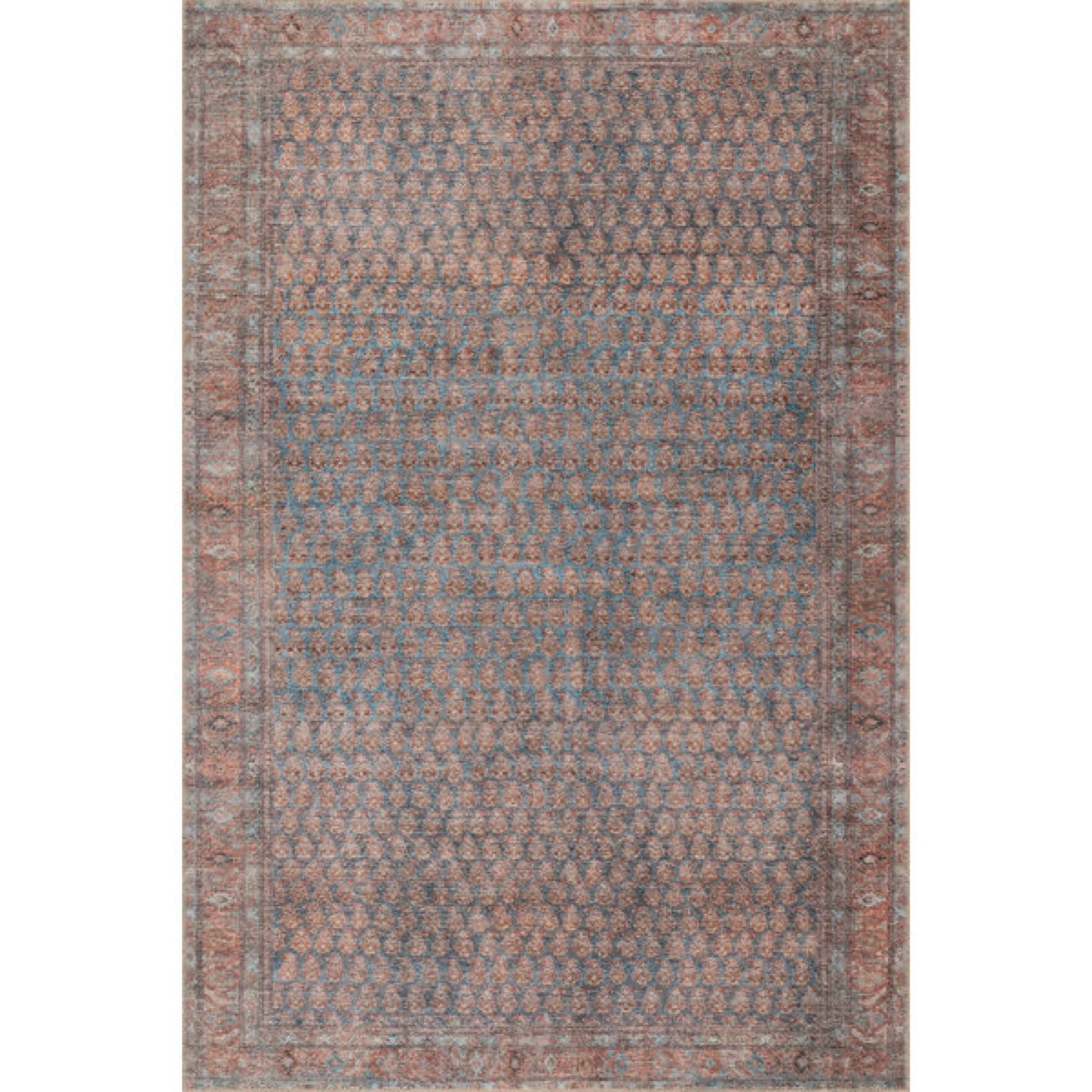
The safe all-rounder for most rooms — a washable vintage-style rug in a faded, distressed palette. The aged pattern hides everything and reads like a real rug from across the room.
Shop the RugsUSA Ferelith Vintage Distressed Washable (Rust) at RugsUSA ↗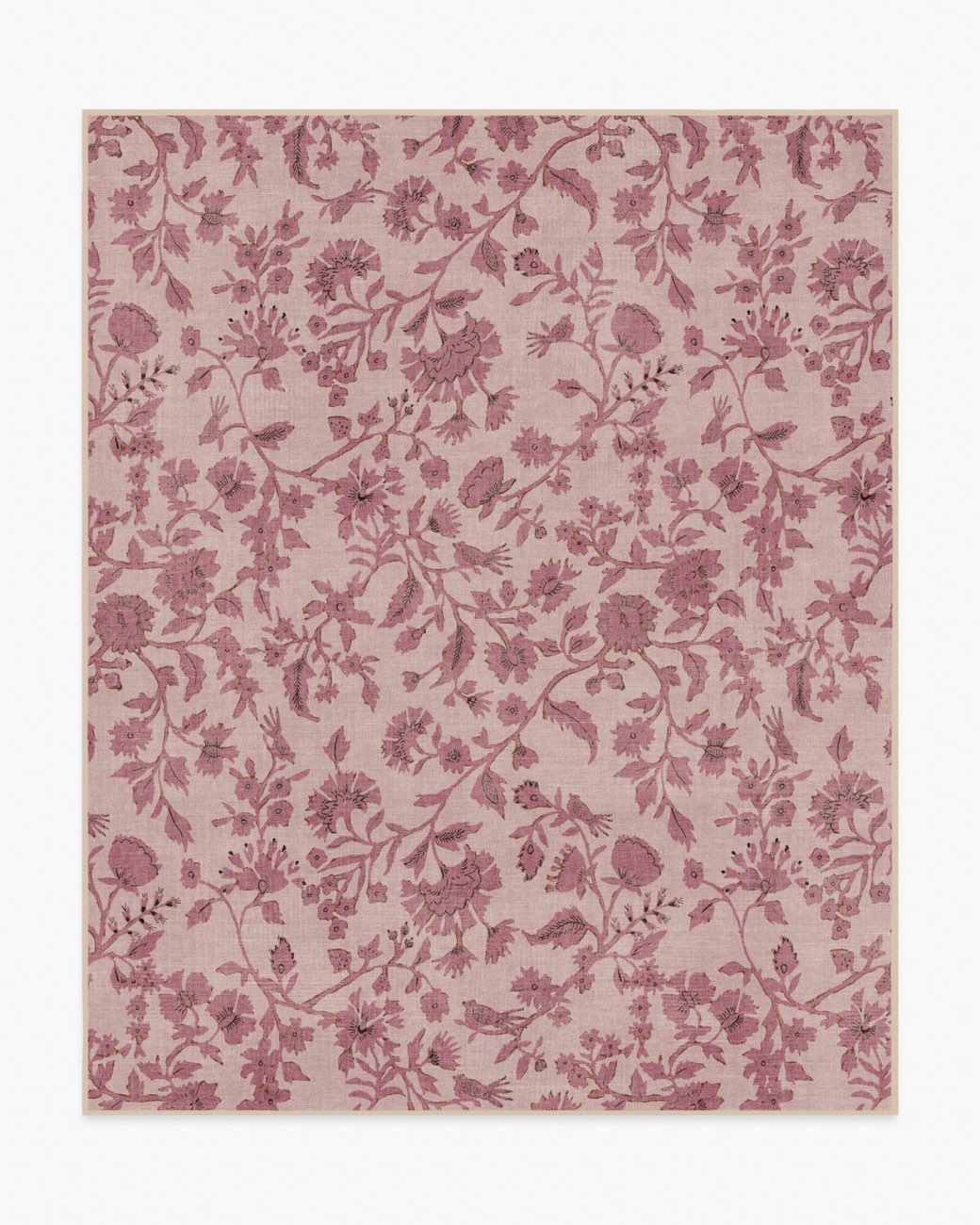
The brand you've seen everywhere — the category leader, with grown-up designs and the grippy two-piece system. Pay up for the thicker pad (or the plush line); skip the thin classic if comfort matters.
Shop the Brenna Natural & Blush at Ruggable ↗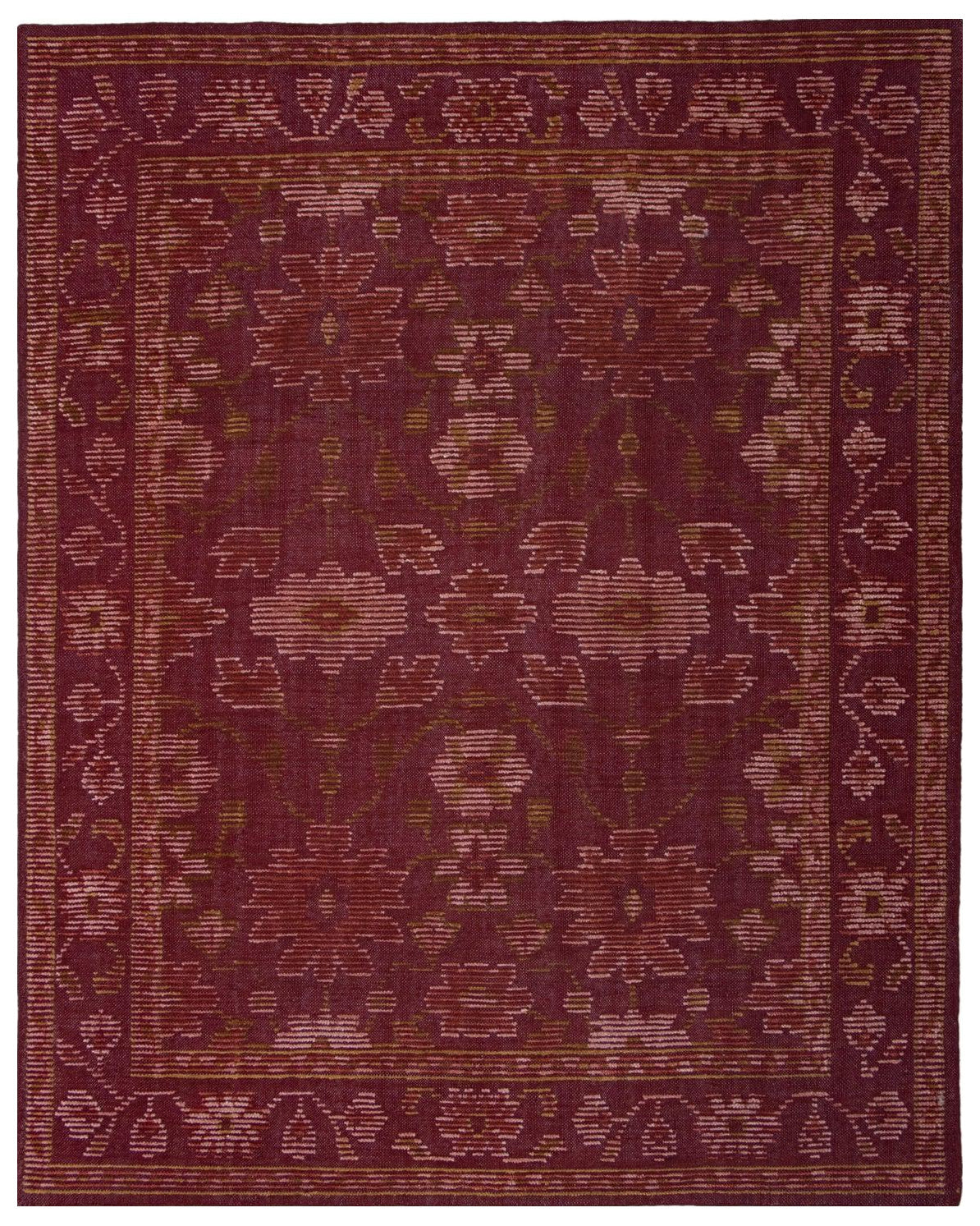
The one that looks and feels least "washable" — a premium, washable New Zealand wool worth the splurge in a living room where people actually sit.
Shop the Helen (Ruby) at Revival Rugs ↗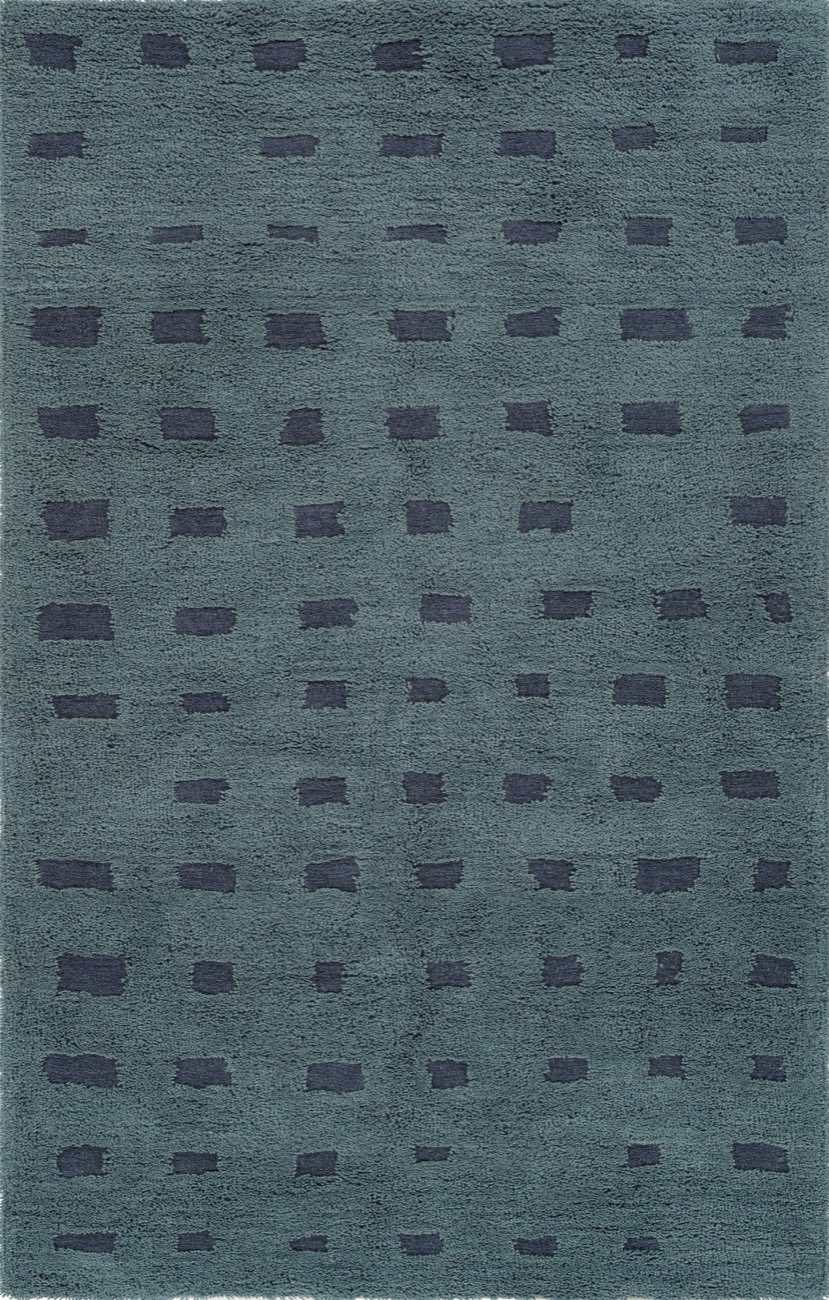
The natural-fiber, least-printed look — a machine-washable wool-and-cotton in a soft pattern; the texture keeps it from reading flat, and it leans sustainable.
Shop the Jaipur Living Aibel Liva (Blue) at Rugs Direct ↗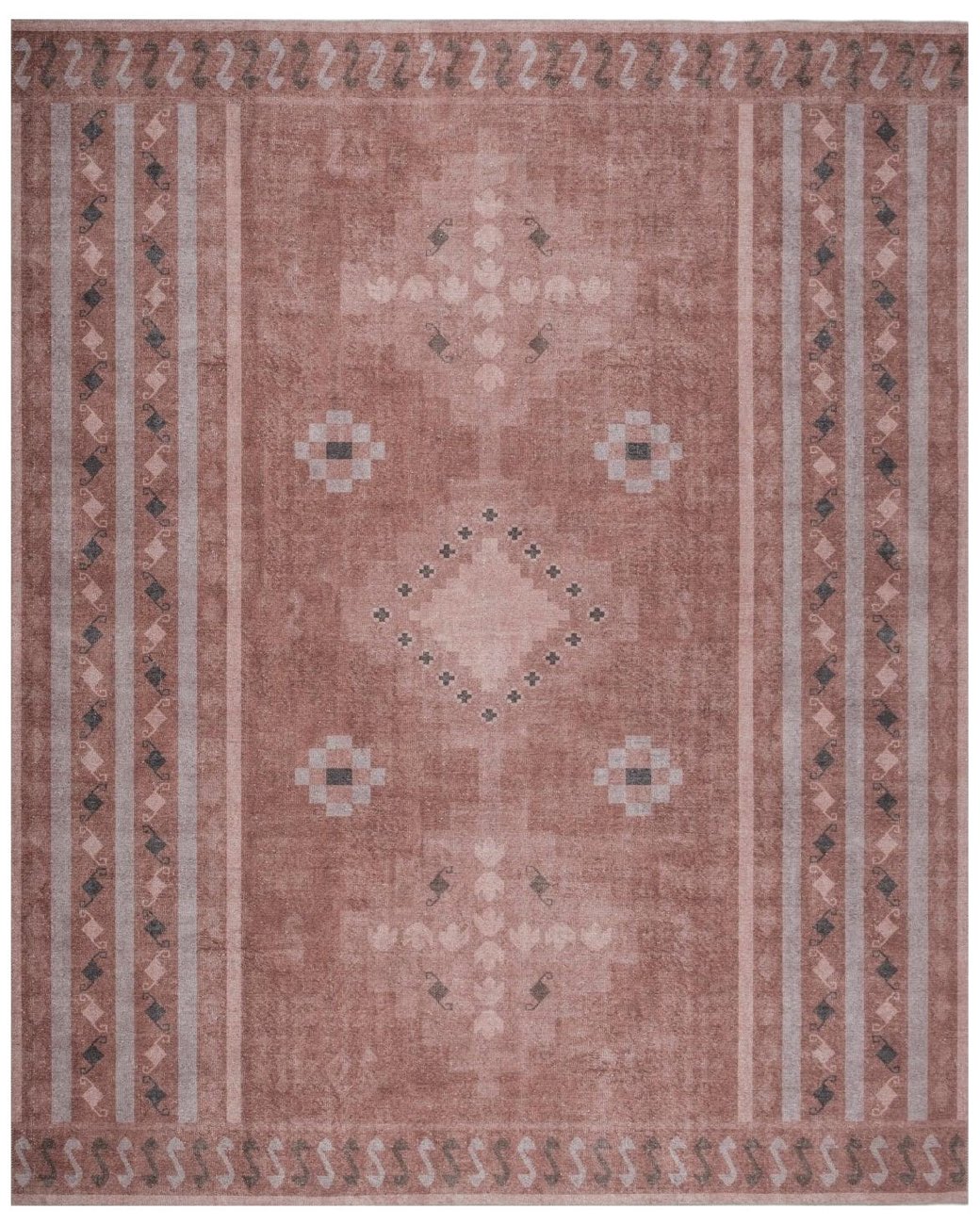
The tight-budget option — an affordable washable in a forgiving, faded berry design, bought with the trade-offs above in mind.
Shop the Djembe (Berry) at Revival Rugs ↗The bottom line
Washable rugs aren't a scam and they aren't a miracle — they're a genuinely good tool for the messy, high-traffic rooms of a real life, as long as you buy a good one and dress it with a proper pad. Match the rug to the job: thin and washable where mess wins, plush and characterful where feel wins. Spend up from the bargain tier, go darker and textured, and you'll get a rug that quietly does its work for years without looking like it's doing it.
One thing the washability question can't answer for you: the size. A washable rug that's too small still sinks the room — so get the size right first — and remember the rug is only the first of the four layers that take a space from furnished to finished. Here's the whole finishing order.
Not sure whether a washable rug is right for your room, or which pattern won't read cheap on your floor? That's exactly the read finial does — tell it what you're working with, and it'll point you to the rug that actually fits.